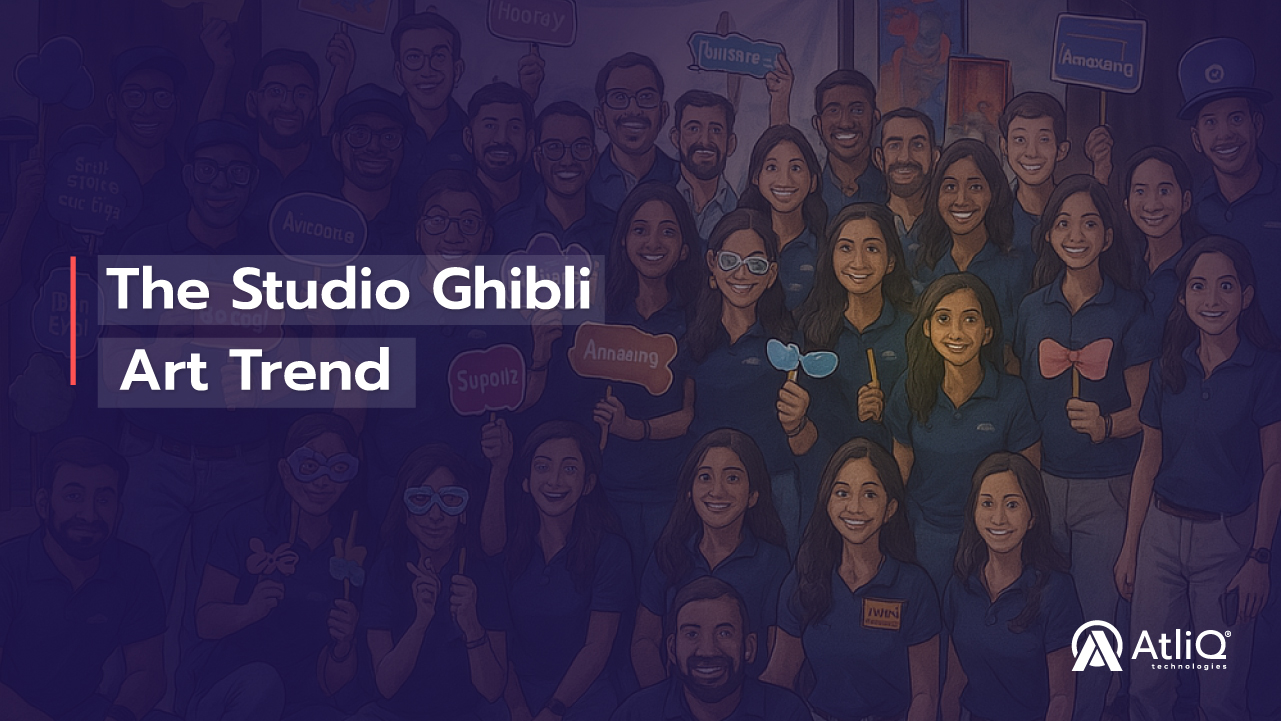
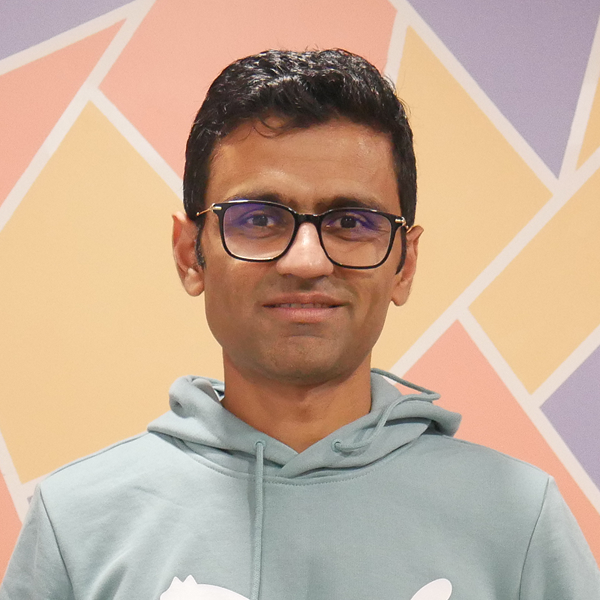
Let's be real. Your feed is probably overflowing with Ghibli Art right now. This digital illustration is everywhere, by everyone.
Inspired by the iconic visuals of Studio Ghibli—the masterminds behind films like Spirited Away and My Neighbor Totoro—this art trend is taking over the internet, one pastel sky and puffy cloud at a time. It’s more than just pretty pictures. It’s a vibe. A feeling. A gentle escape from the chaos of everyday life. And the best part? You don’t have to be a professional artist to tap into that magic.
But what exactly defines this Ghibli-esque aesthetic? Why is it resonating with so many people across the globe? And how are artists bringing this magical style to life in the digital age? Let’s take a stroll through the dreamy Ghibli art trend—and maybe, just maybe, rediscover the joy of wonder along the way.
What Is the Ghibli Art Trend?
The Ghibli art trend is a growing creative movement inspired by the enchanting visuals of Studio Ghibli, the legendary Japanese animation studio known for its heartfelt storytelling and stunning hand-drawn animation. But this trend isn’t just about replicating scenes from films like Howl’s Moving Castle or Princess Mononoke—it’s about capturing the feeling those scenes evoke.
At its core, Ghibli-inspired art is all about whimsy, warmth, and wonder. It celebrates the beauty in quiet, everyday moments—think sunlit gardens, rainy city streets, steaming bowls of food, and the magical realism of creatures hiding in the forest. It’s cozy, nostalgic, and slightly surreal—designed to transport viewers to a peaceful world where nature, fantasy, and simplicity coexist.
Why the Ghibli Aesthetic Resonates Today?
In an age of fast-scrolling feeds, endless notifications, and chaotic headlines, the Ghibli art trend feels like a breath of fresh air—calm, cozy, and deeply human. It’s no surprise that this aesthetic has struck a chord with so many people around the world, especially in recent years.
Comfort-core for the Soul: At its heart, Ghibli art taps into the “comfort-core” movement—visual content that soothes rather than stimulates. It wraps you in warm lighting, soft colors, and scenes that feel like home. Whether it’s a girl riding her bike through golden fields or a kettle quietly steaming on a stove, Ghibli-inspired art gives us a sense of peace we often miss in our fast-paced lives.
Escapism That Feels Grounded: Unlike flashy fantasy worlds, the Ghibli aesthetic invites you into something more familiar, yet still magical. It offers an escape, not through spectacle, but through slowing down. Forest spirits, floating houses, and quiet towns nestled in nature pull us into a dreamlike state, but one that still feels somehow real and reachable.
Minimalism with Meaning: One of the most powerful things about the Ghibli style is how it finds beauty in the ordinary. A cup of tea, the rustling of leaves, laundry drying in the breeze—these mundane moments are elevated into art. In a time when we’re constantly chasing “what’s next,” Ghibli art reminds us to be present, to notice, and to feel.
In short, the Ghibli aesthetic isn’t just a trend. It’s a gentle rebellion against digital overload—a quiet reminder that magic still lives in the smallest things.
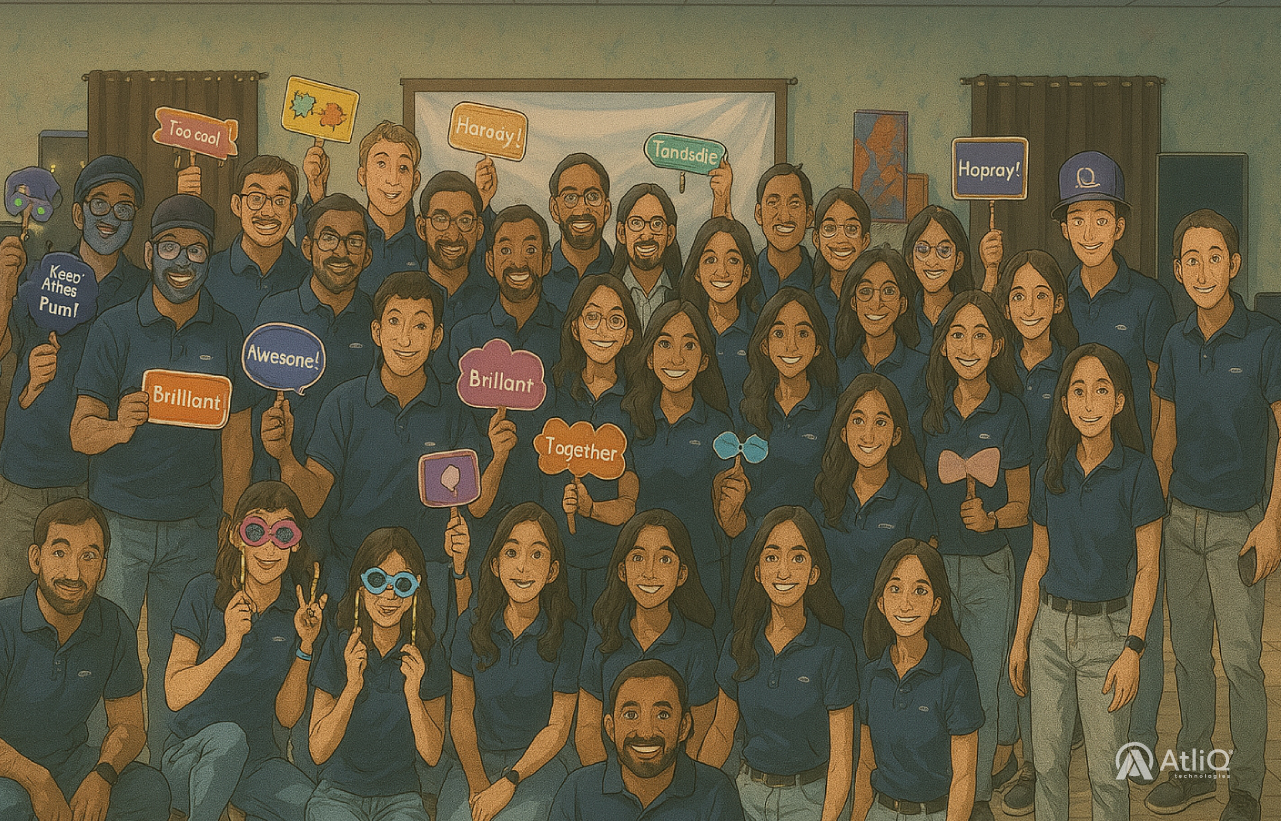
The Rise of AI in Ghibli-Inspired Art
So, here’s the fun part—while the Ghibli art trend is charming its way across the internet, AI has quietly slipped into the scene and is changing the game. Imagine this: you type a few words, and boom—there’s a Ghibli-style forest or a cozy little town glowing in sunset hues. You can even turn your selfies into anime-style portraits that look straight out of a cartoon. Wild, right? No sketchpad, no calling your designer friends—just you, your imagination, and a little AI magic. It's like getting a front-row seat to a Ghibli film, but you're the director.
AI-Generated Ghibli Art: Platforms like MidJourney, DALL·E, and Ghibli Diffusion models can now generate stunning, Ghibli-esque scenes with a few text prompts. Type in “a cozy cottage in the forest, soft lighting, Ghibli style,” and voilà—a picture-perfect image appears. This has opened the door for non-artists to join the trend and experiment with creative storytelling.
Tool or Threat?: While AI has democratized art creation, it has also sparked a wider debate in the creative community. Artists who’ve spent years honing their craft are understandably concerned. Can machine-generated images ever match the emotional depth and storytelling of human-made art? Or will they dilute the magic that makes Ghibli’s hand-drawn charm so special?
Finding a Middle Ground: Many creators are now blending human creativity with AI tools—using AI to sketch ideas or backgrounds, and then adding personal touches, emotions, and imperfections that only a human hand can bring. In this hybrid space, AI isn’t replacing art; it’s evolving the process.
So yes, AI is becoming part of the Ghibli art trend—but whether it becomes a partner or a competitor depends on how we choose to use it.
Tools and Tips to Create Ghibli-Inspired Art
Ready to bring a little Ghibli magic into your own creations? Whether you’re a seasoned artist or just starting, the good news is—you don’t need a studio in Tokyo to channel the signature Ghibli charm. With the right tools and a focus on storytelling, anyone can dip their brush (or stylus) into this whimsical world.
Recommended Tools to Get Started
-
Procreate (iPad) – A favorite among digital artists for its intuitive interface and custom brushes. Perfect for soft line work and delicate shading.
-
Adobe Photoshop – Great for layering, detailed texture work, and fine-tuning lighting and color grading.
-
Ghibli Diffusion & AI Generators – AI tools like Ghibli Diffusion, MidJourney, or DALL·E can quickly generate base scenes in the Ghibli style. These can be used for inspiration, mood boards, or even backgrounds.
-
Krita & Clip Studio Paint – Affordable (or free) alternatives with strong brush engines and animation capabilities.
Tips to Nail the Ghibli Aesthetic
-
Capture the Mood: Ghibli art is all about emotion and atmosphere. Focus on quiet, cozy moments—like a character reading by a window, or wind rustling through tall grass. Think calm, nostalgic, and slightly surreal.
-
Master the Color Palette: Use muted, earthy tones paired with soft pastels. Greens, browns, dusty blues, and warm golds create that peaceful, lived-in feel. Avoid harsh contrasts—opt for subtle gradients and gentle transitions.
-
Lighting Is Everything: The “Ghibli glow” is real. Use natural light—golden hour sunlight, soft moonlight, or ambient indoor glows. Try adding a light haze or bloom effect to give scenes that dreamy softness.
-
Texture and Softness: Avoid super sharp edges or hyper-polished finishes. Hand-drawn textures, watercolor-style brushes, and subtle imperfections make the piece feel human and warm, just like the films.
- Study the Masters: Go back to the source, analyze scenes from classics like Spirited Away, My Neighbor Totoro, and Howl’s Moving Castle. Pay attention to background detail, color composition, and how movement is conveyed even in stillness. Ghibli’s genius lies in its simplicity with depth.
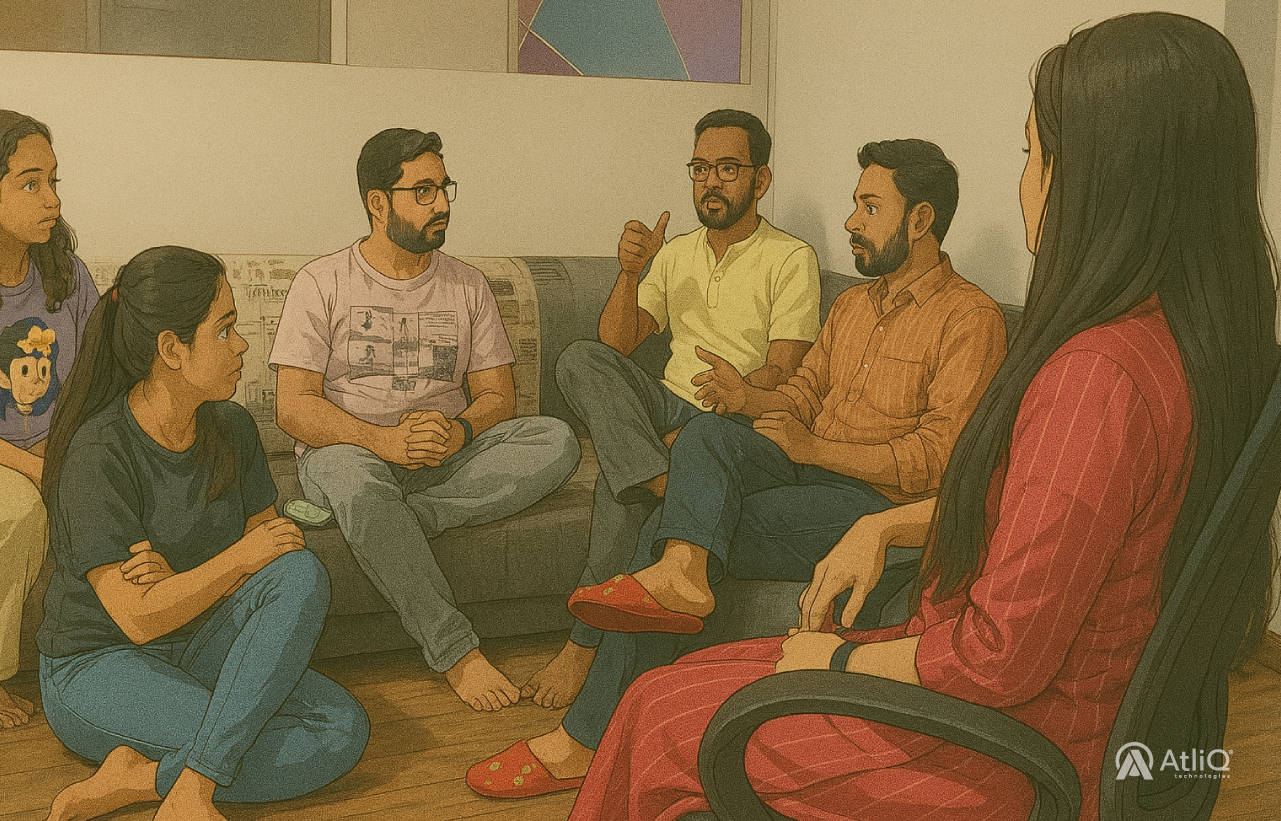
Whether you're drawing your cat lounging in a sunbeam or building an entire fantasy world, the Ghibli style invites you to slow down and savor the beauty in small, quiet things. And that’s what makes it so magical.
In a world that’s constantly rushing, the Ghibli art trend is a gentle reminder to slow down, look around, and find wonder in the little things. Whether it's through a hand-drawn illustration, an AI-generated landscape, or a cozy TikTok reel, this aesthetic speaks to something universal—our longing for comfort, connection, and quiet beauty.
What makes this trend truly special isn't just the art itself, but the feeling it leaves behind. It invites us to escape—not into something flashy or far-fetched—but into moments that feel soft, sacred, and beautifully human.
So, whether you're an artist, a daydreamer, or someone just trying to find calm in the chaos, step into the Ghibli world. Let it inspire your work, your mood, and your perspective. You might just find that magic isn’t so far away after all.